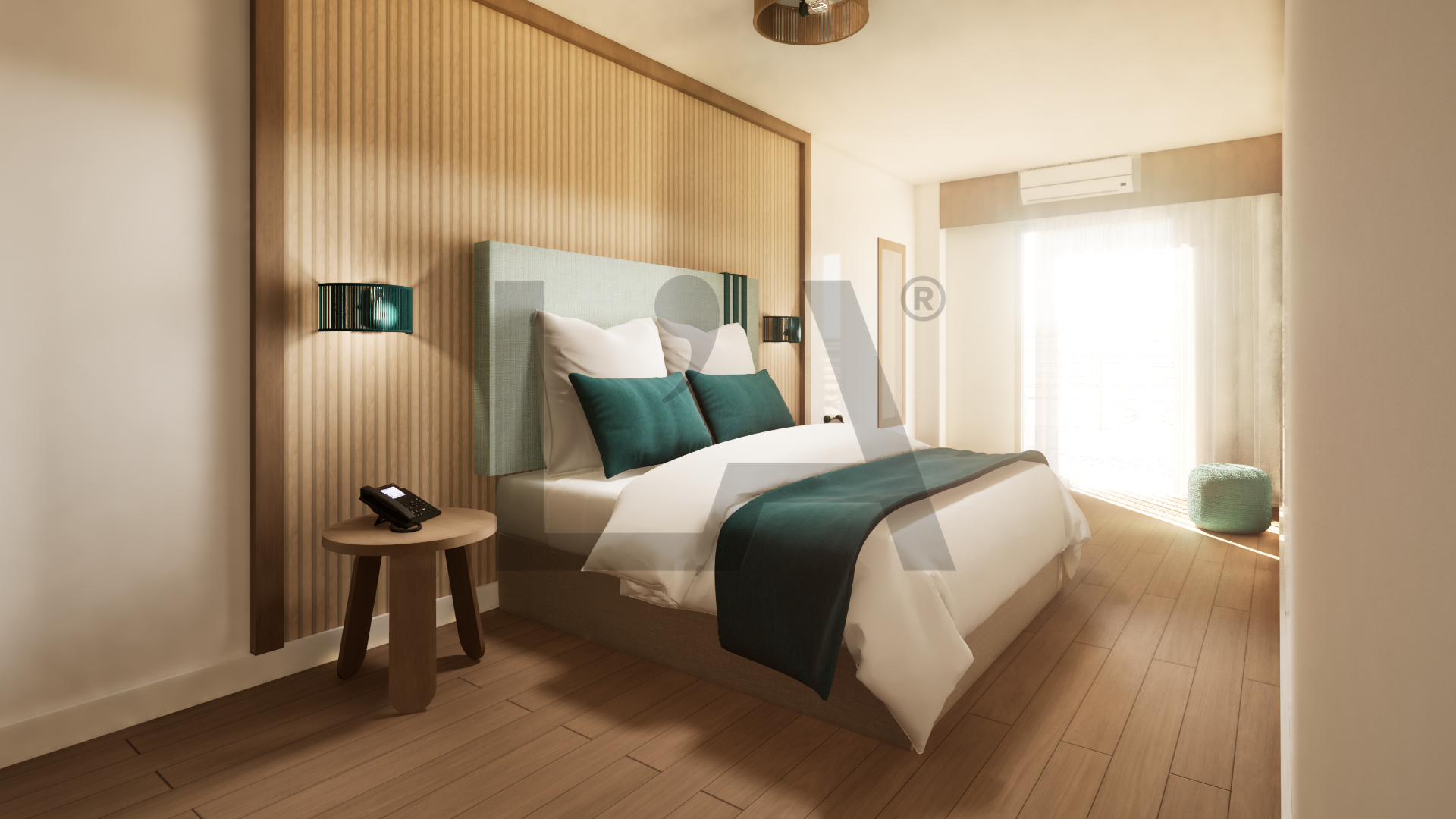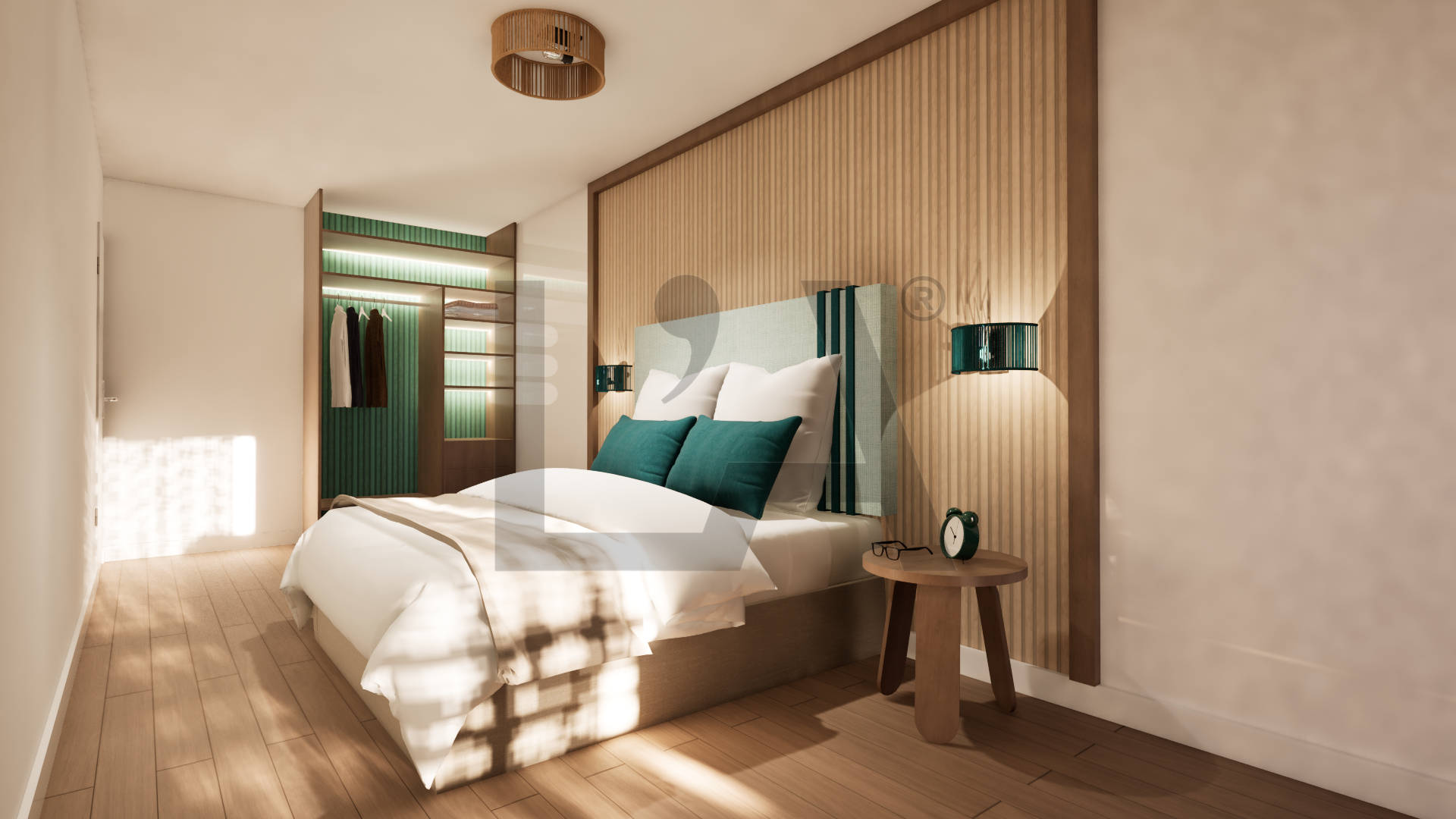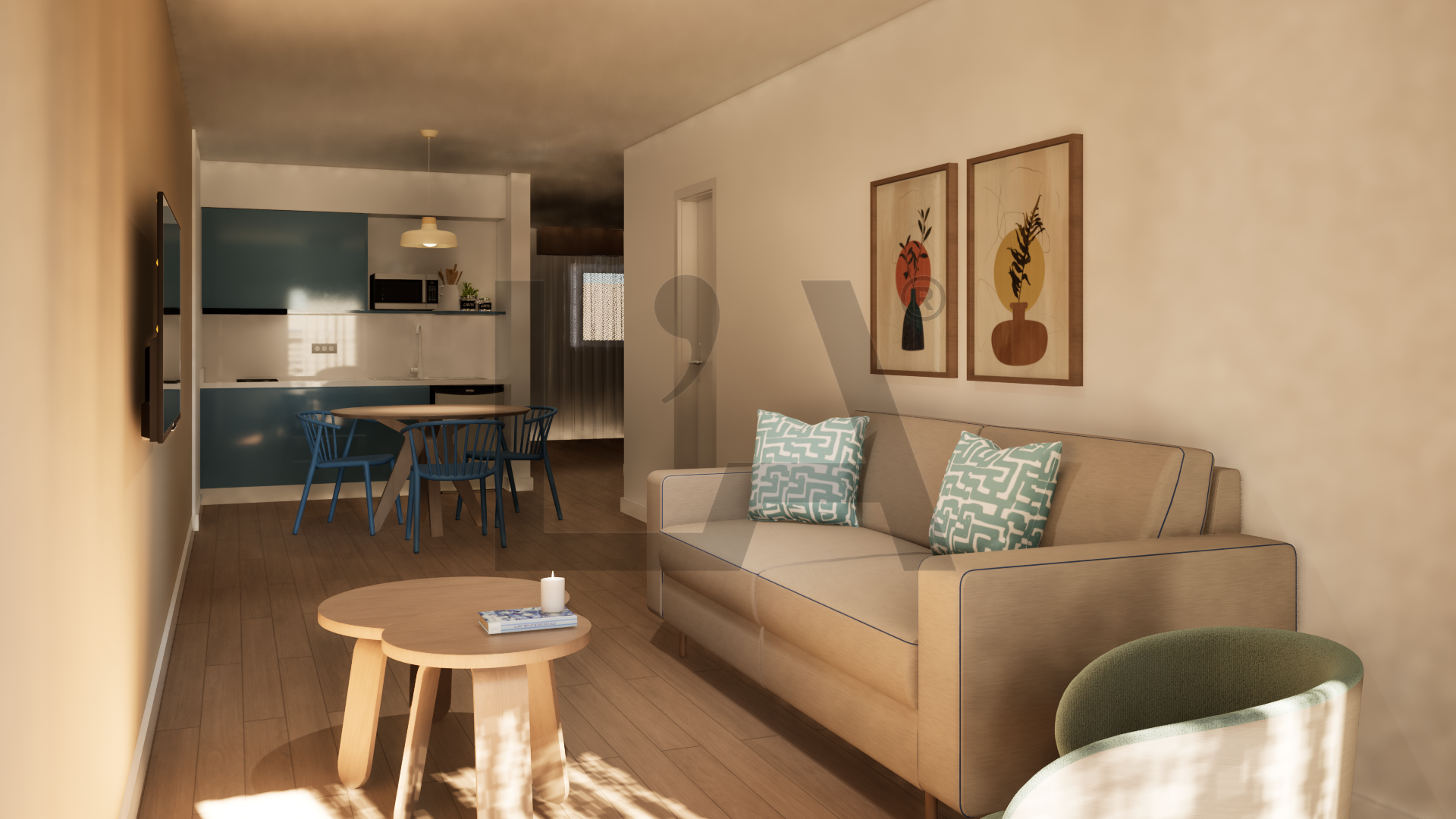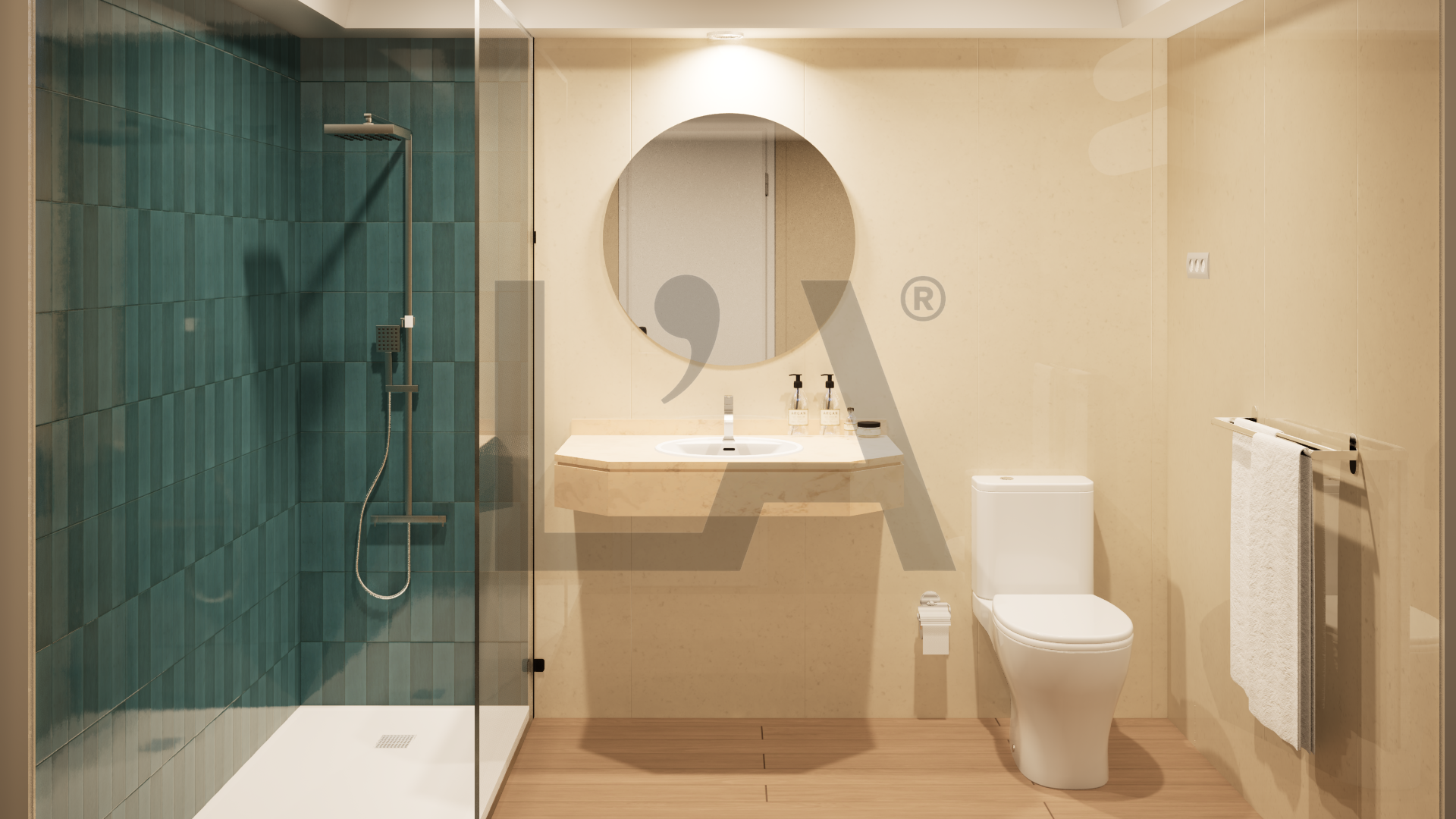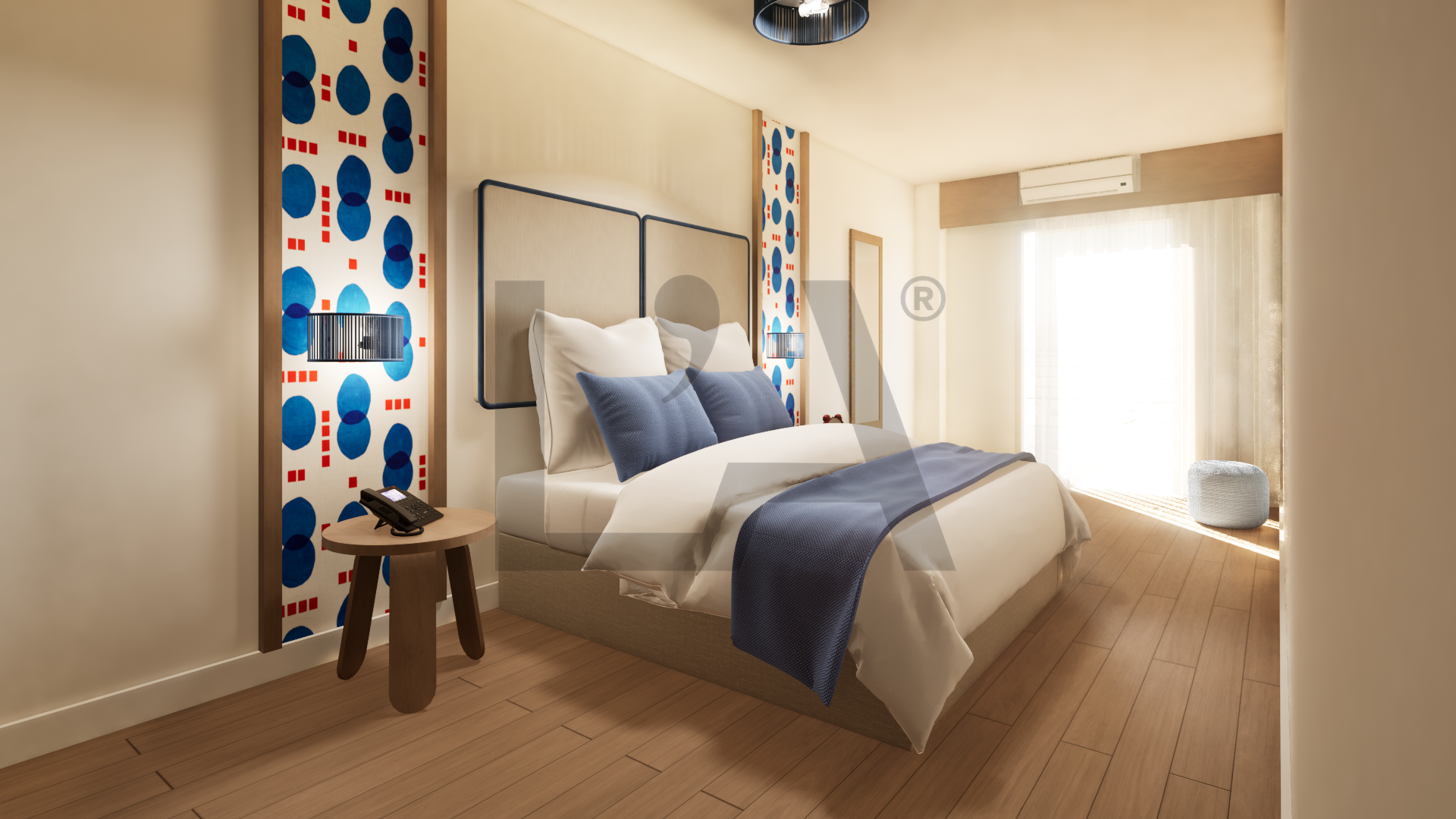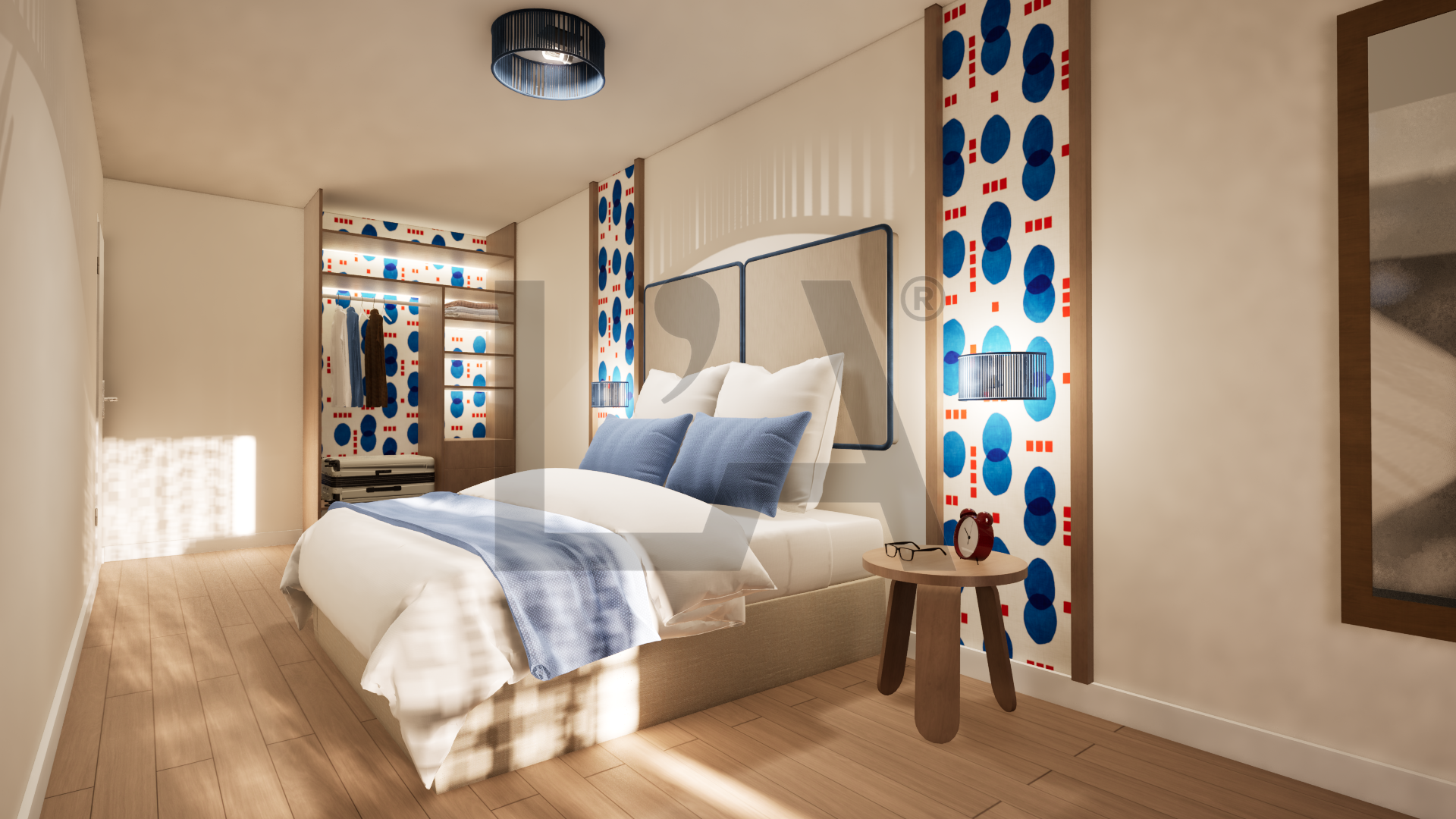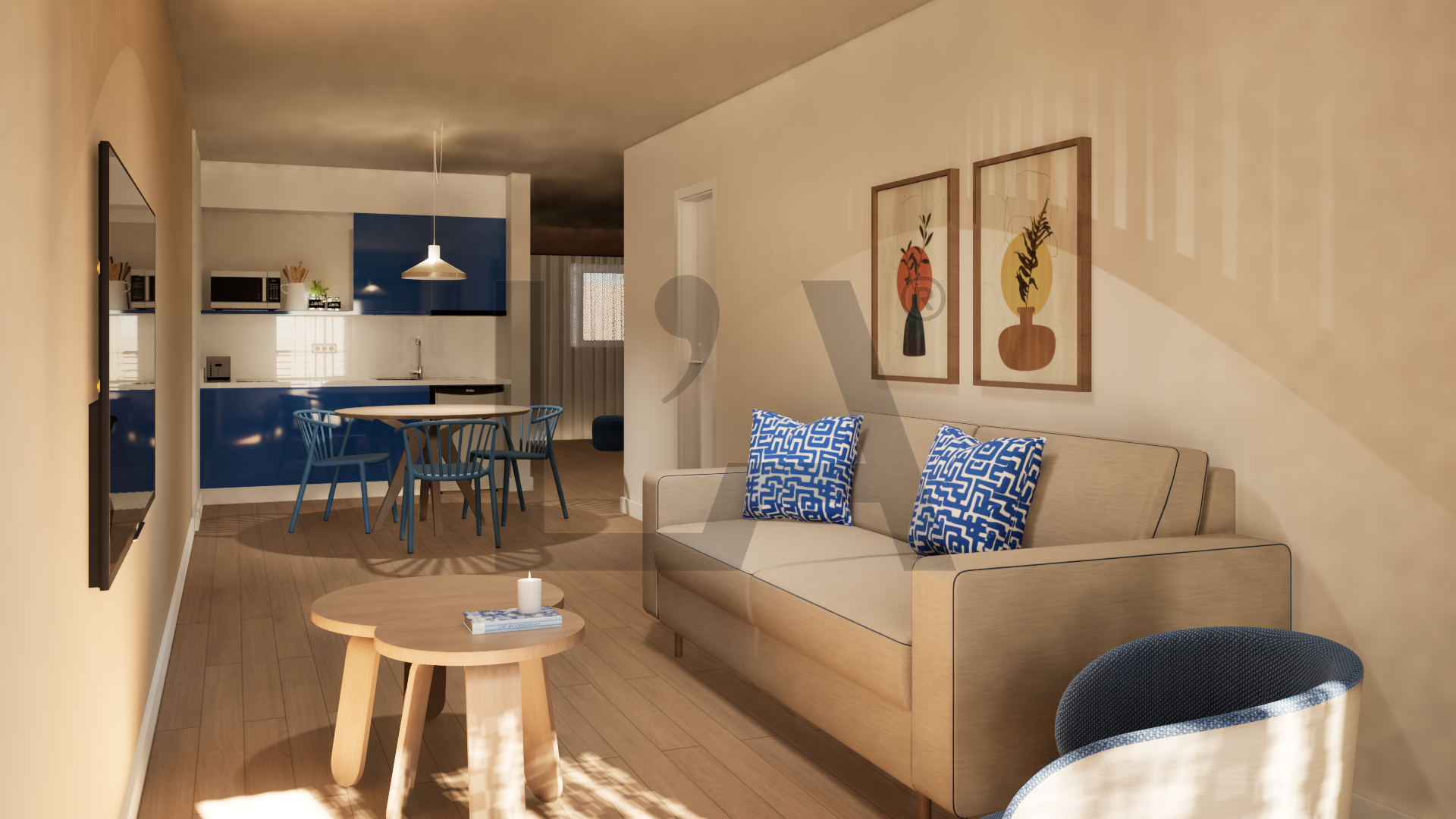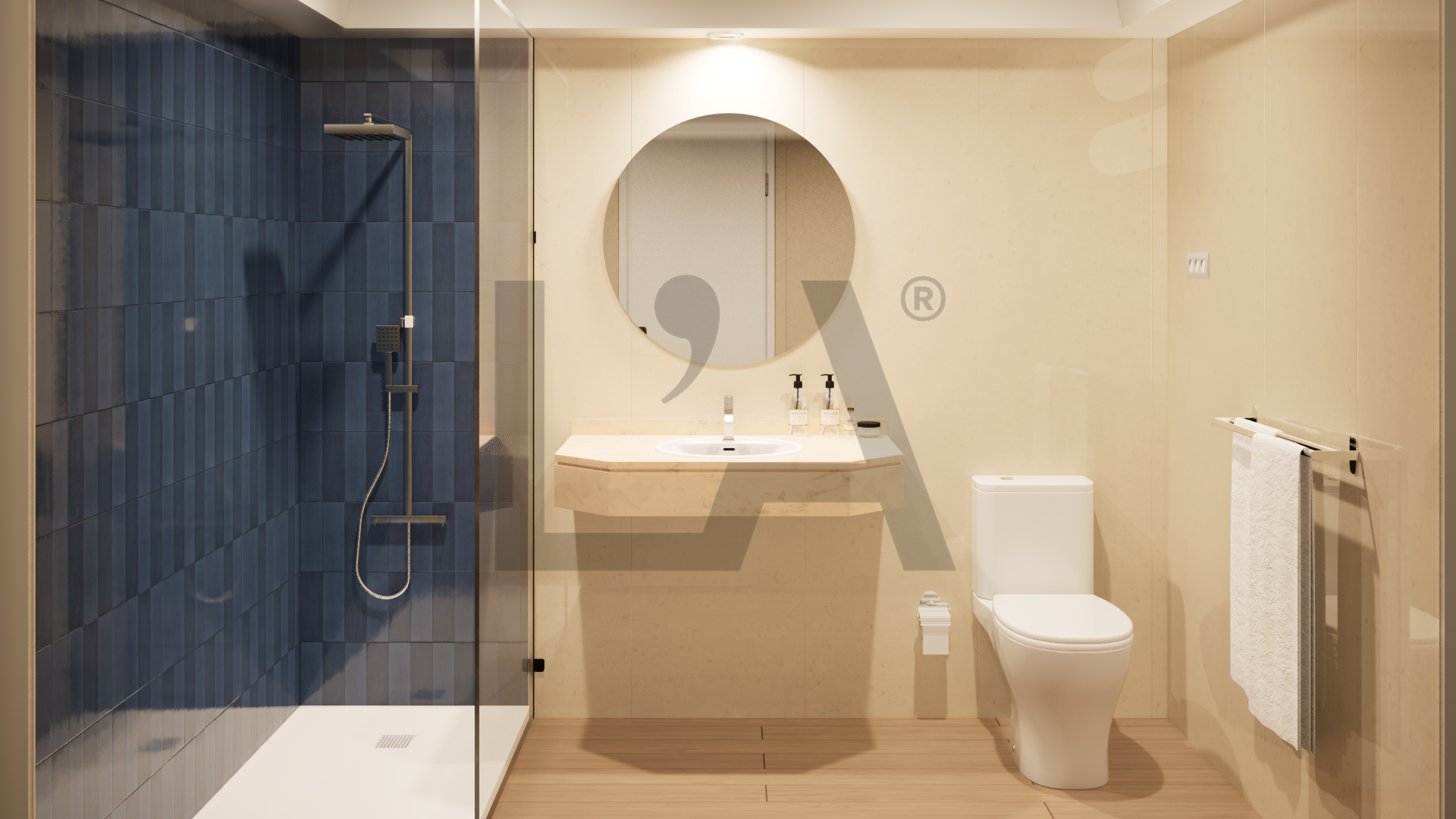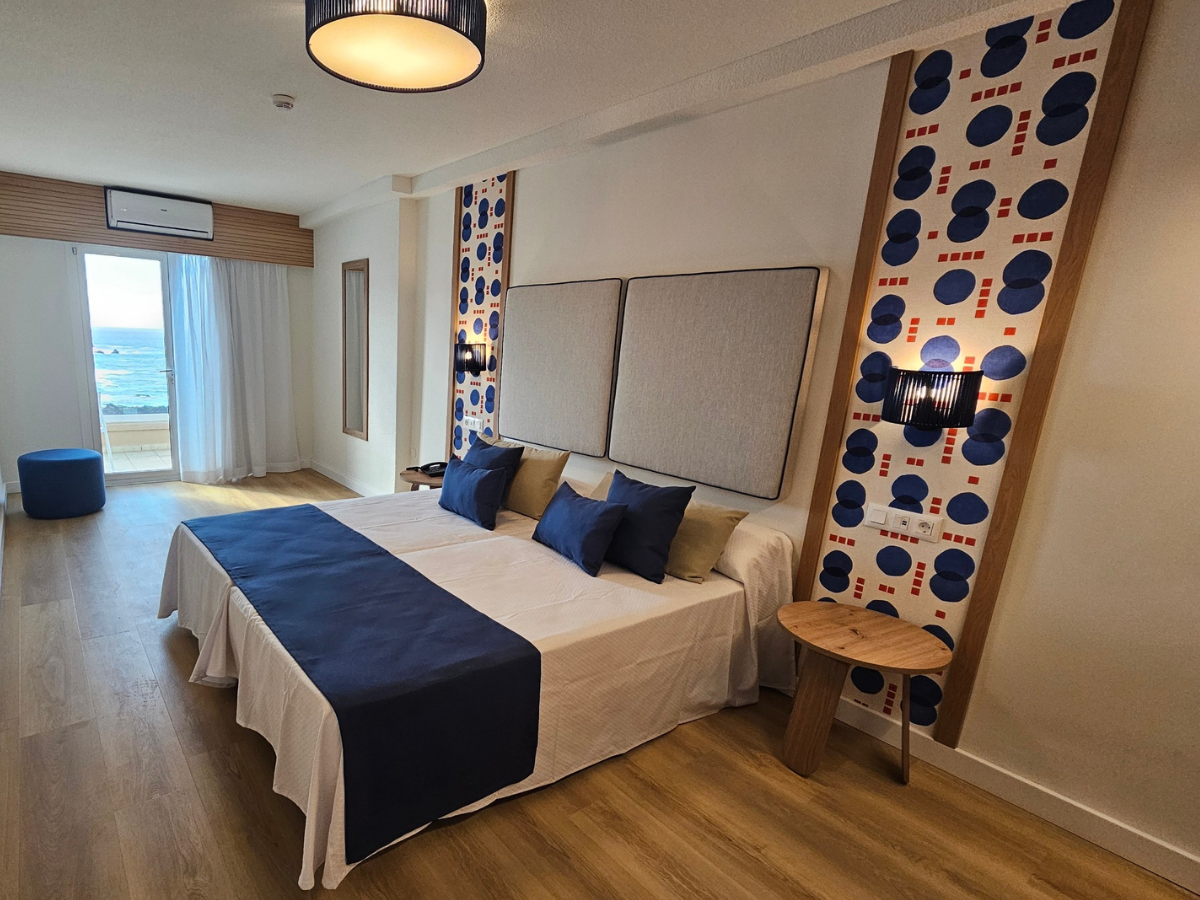
In interior design, there is a moment within the design process when ideas move beyond drawings, inspiration or concepts and begin to inhabit real space. That moment is the pilot.
Whether it is a residence, an apartment or a hotel room, the pilot represents the transition between what is imagined and what is experienced. It is where design shifts from being conceived to being felt, where each decision begins to take on a tangible presence.
It is here that materials are touched, textures are perceived and proportions are understood in a more intuitive way. Everything that once existed in plans, renders or moodboards begins to come together within the space, offering a first complete reading of the project.
The pilot becomes, in essence, an exercise in listening. A moment to observe how spaces breathe, how light settles and how the experience is perceived from within. It is at this stage that the design is reviewed, refined and adjusted with a more attentive and conscious approach.
Pilots in hotel projects
In the hospitality context, this process becomes even more significant. The pilot allows for a precise understanding of how all elements shaping the guest experience come together: from finishes and lighting to furniture functionality and the overall atmosphere. It is a key step in anticipating sensations and ensuring that every decision responds to a clear intention.
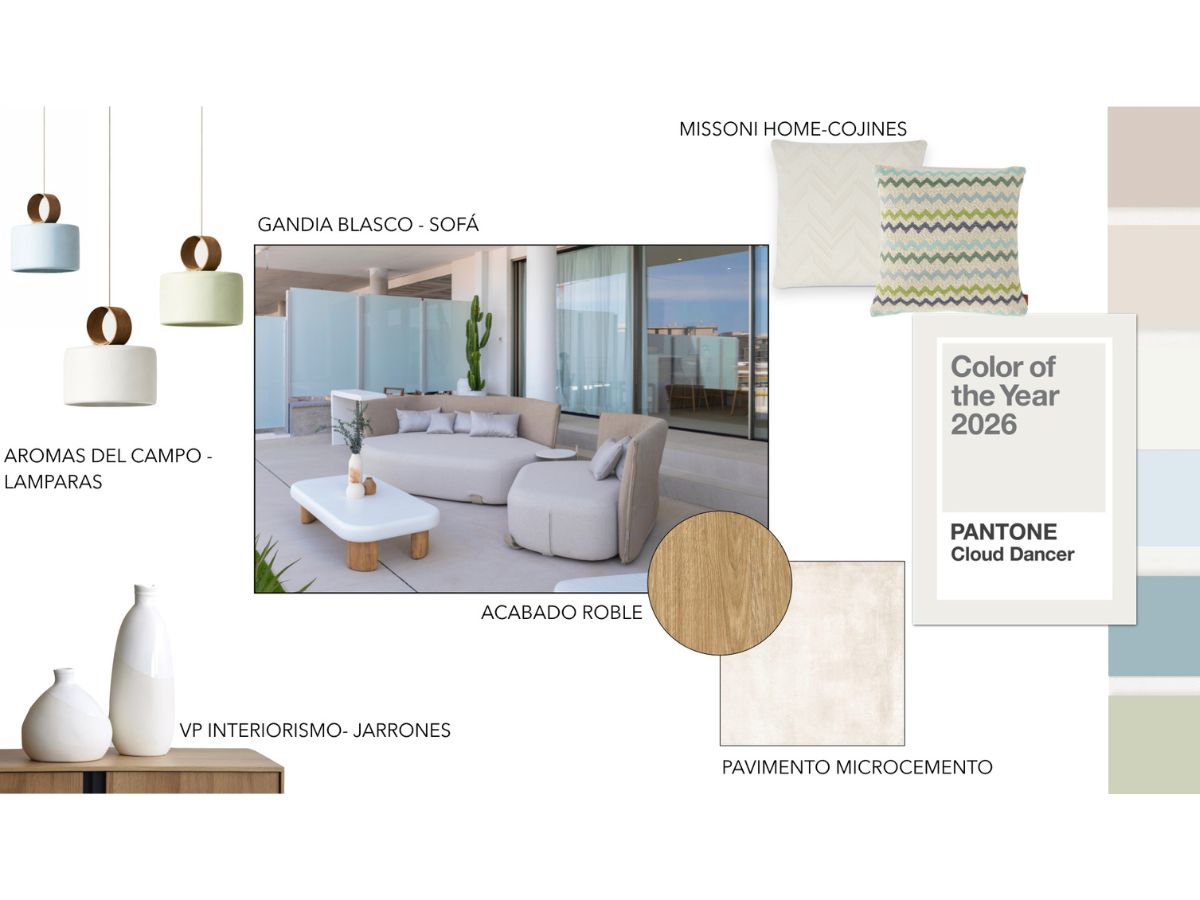
A few weeks ago, we shared the moodboard for Los Dragos hotel, a full renovation project we are currently developing in the south of Tenerife.
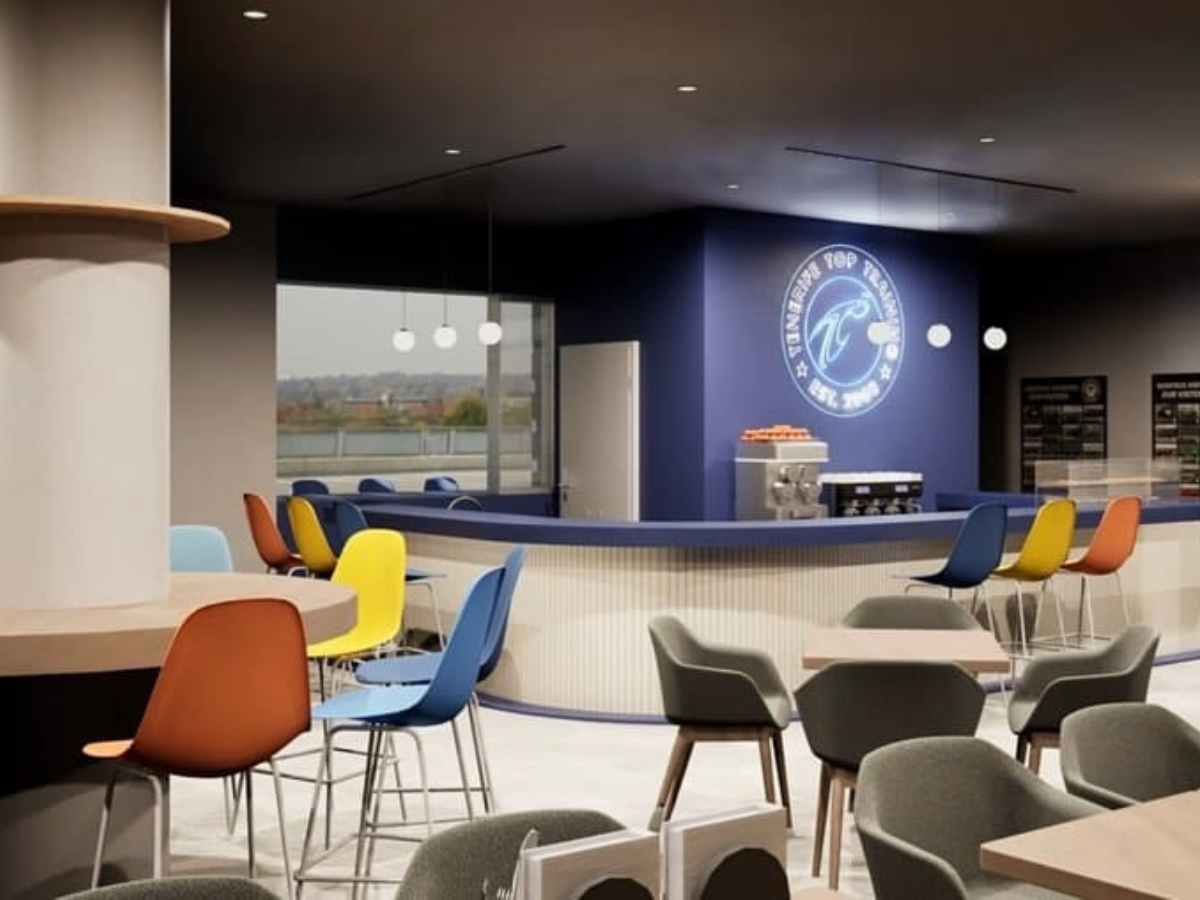
From that point, renders become a first approach to the space — a way to anticipate atmospheres, proportions and materials before they are brought into reality.
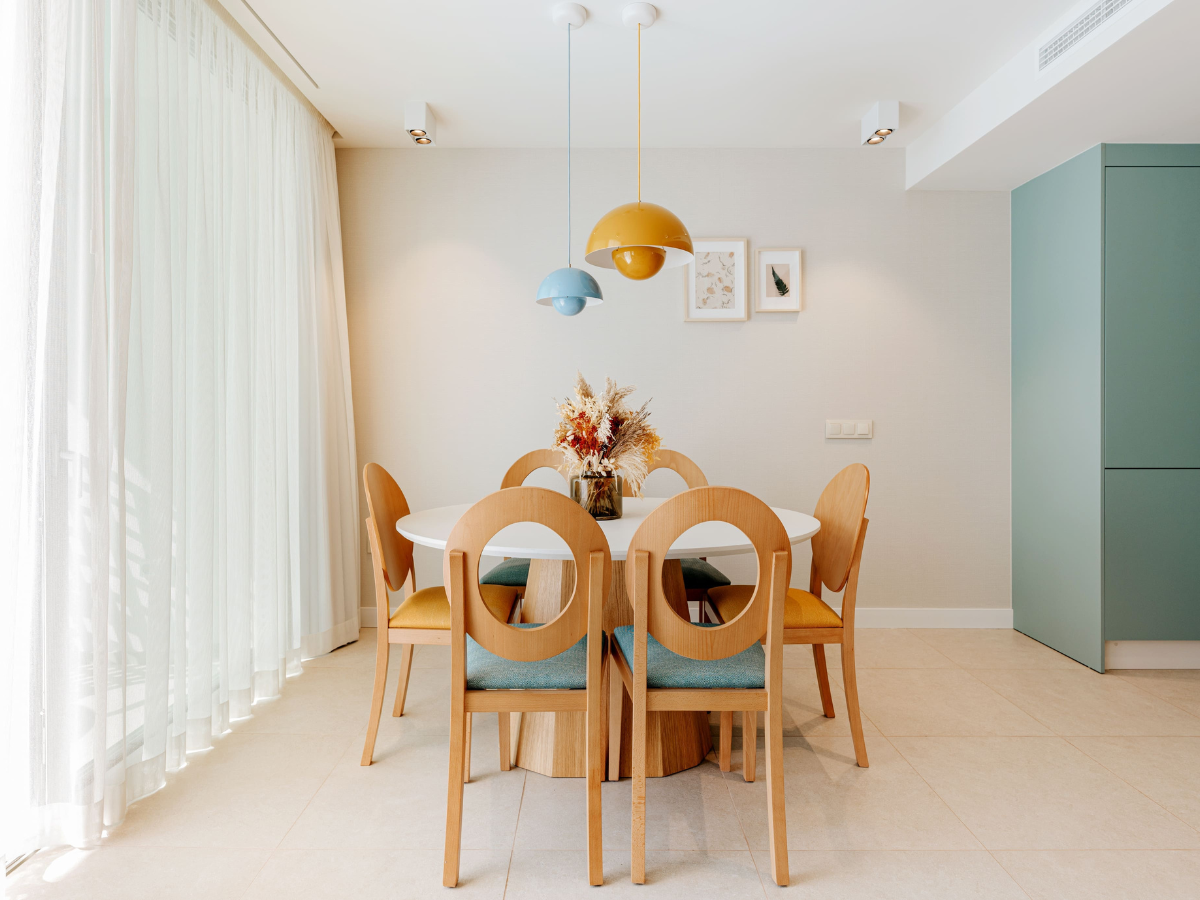
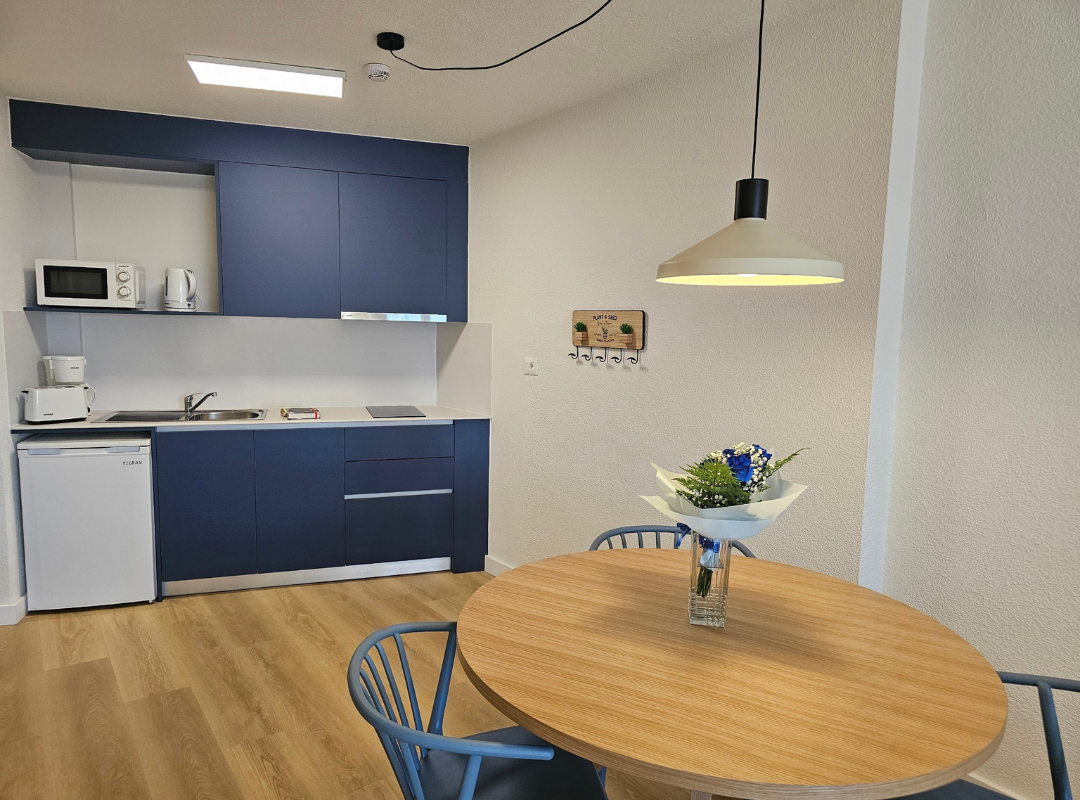
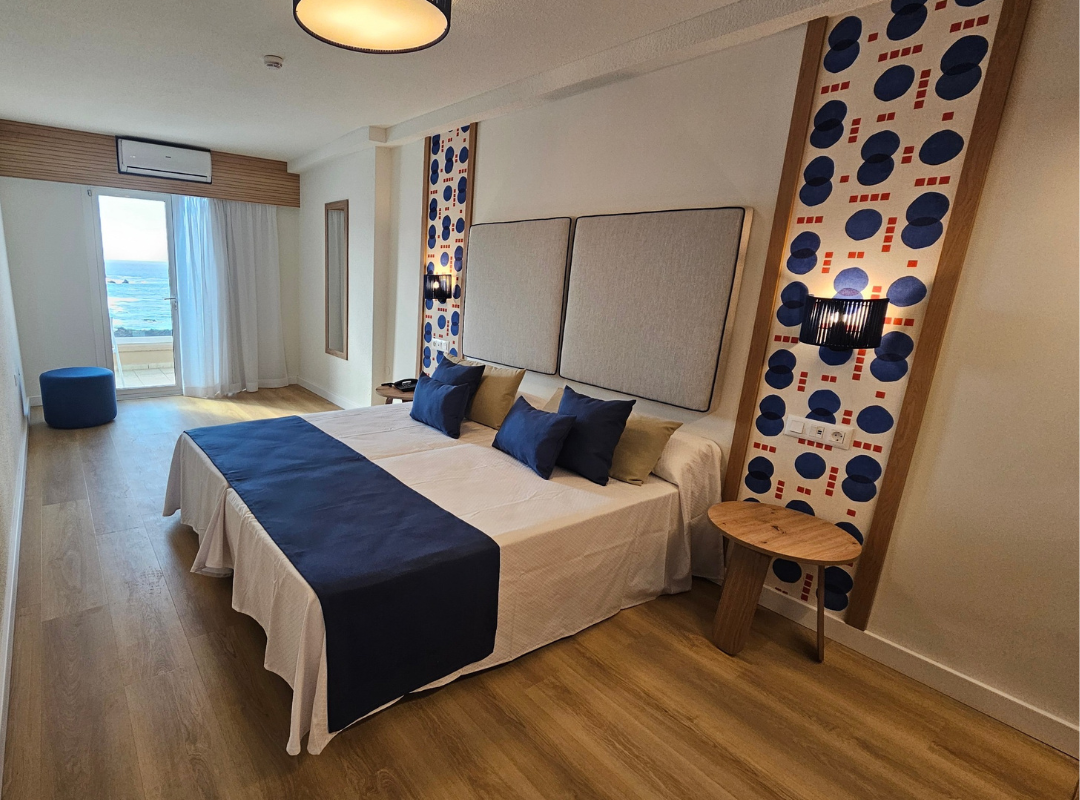
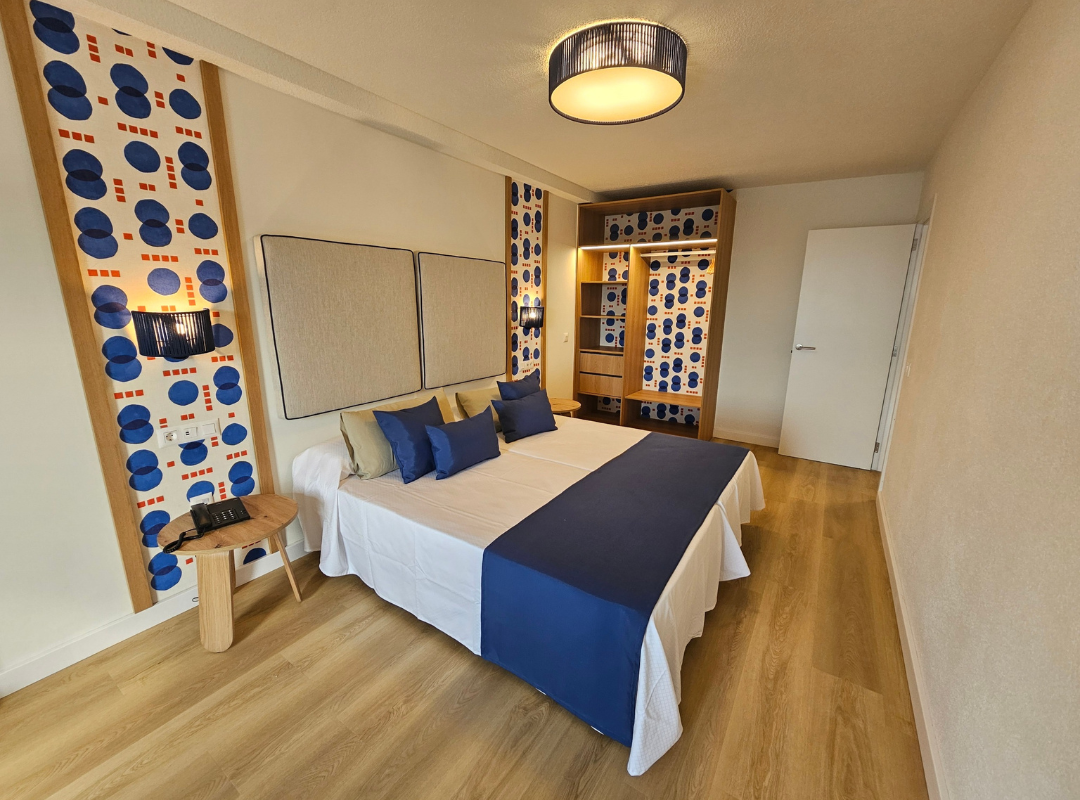
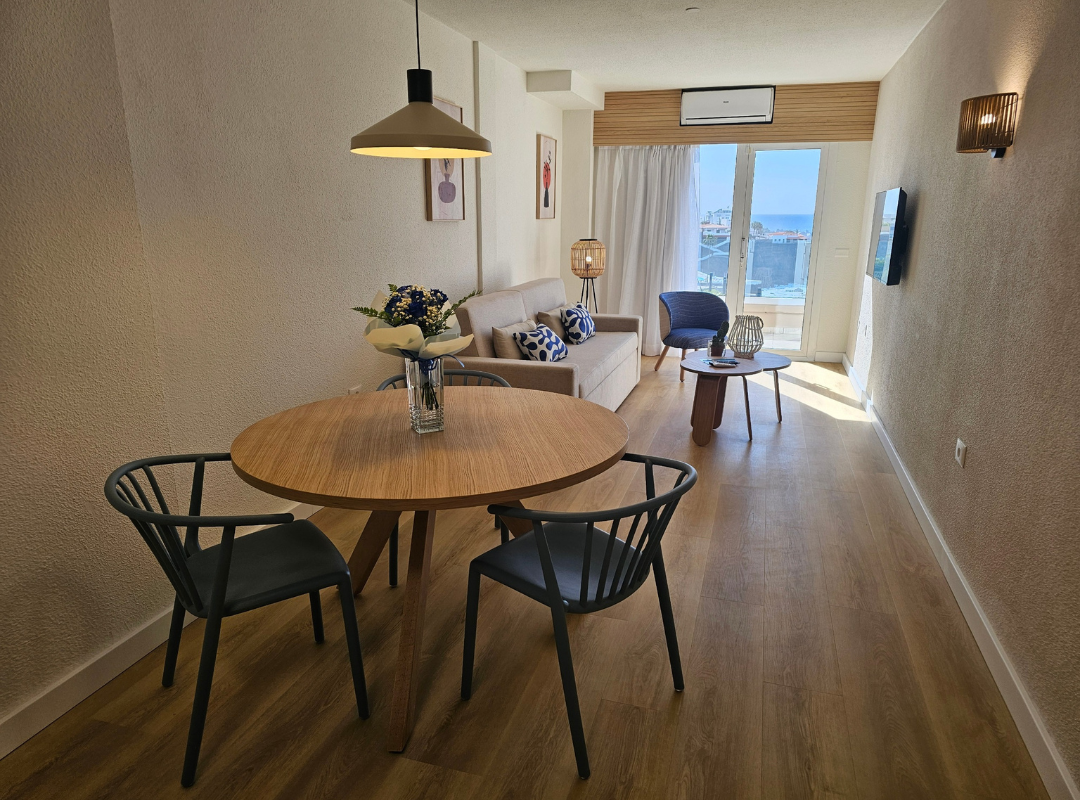
More recently, we presented the pilot apartment: the first space where the ideas imagined during the design process begin to take shape. Tones, textures and materials now coexist within a real environment.
The pilot is not simply a preview of the final result, but a fundamental part of the creative process. It is the moment in which the space is observed, listened to and understood before the design unfolds across the entire project.
Because when a space is shaped through listening, design moves beyond form to become experience. And it is in that moment when, little by little, emotions begin to speak.